Few clinical situations carry as much weight as a neonatal emergency. Learning how to boost confidence in neonatal resuscitation scenarios is something that healthcare providers nationwide are constantly reviewing.
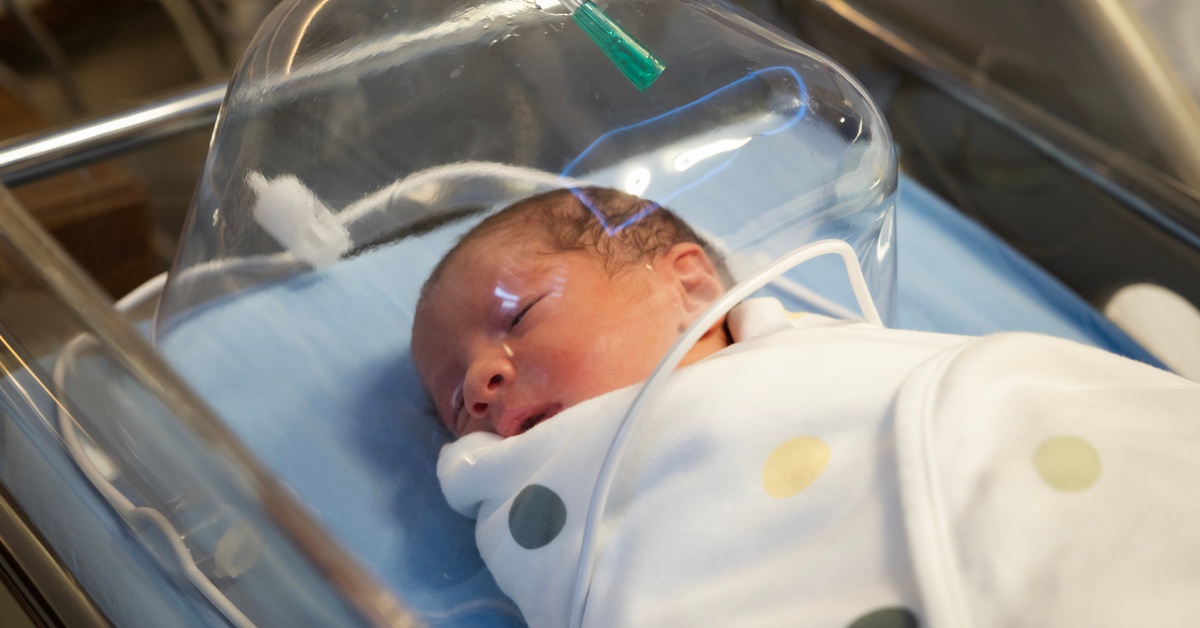
A newborn in distress is a critical situation, and any hesitation by the provider has consequences. The providers who perform best in those moments share one thing in common: they prepared long before the emergency room doors opened.
Tip One: Train with Realistic Simulation
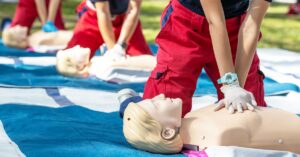
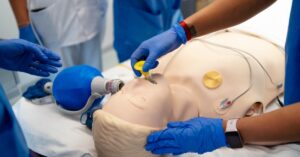
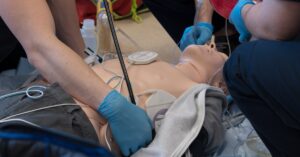
Simulation-based training is the most effective way to build clinical confidence without putting patients at risk. When you practice neonatal resuscitation on a high-fidelity mannequin, your brain encodes the procedural steps in a way that a textbook simply cannot replicate. You develop muscle memory for positioning, compressions, and airway management before you ever face a real scenario.
The more realistic the simulation, the more transferable the skill. Seek out training environments that mimic an actual delivery room, including realistic equipment and the kind of time pressure you will face in a real resuscitation. When the scenario feels genuine, the stress response you experience in training prepares your nervous system for the real thing.
Tip Two: Master the Core Skills Before You Need Them
Exhibiting confidence under pressure starts with feeling competent during stressful situations. Providers who struggle during neonatal emergencies often lack a solid foundation in several fundamental areas. Focus on these key areas as you prepare:
- Initial assessment and the inverted pyramid approach to NRP decision-making
- Positive pressure ventilation technique and mask seal
- Chest compression depth and rate for neonates
- Medication administration routes and dosing in neonatal emergencies
- Effective team communication during resuscitation events
Targeted practice in each area compounds over time. A provider who revisits these skills regularly arrives at the bedside with far greater certainty than someone who last reviewed them years ago. That is exactly why NRP certification renewal exists. It closes the gap between what you knew and what you need to know now.
Tip Three: Debrief After Every Scenario
Debriefing after a simulation or real event accelerates skill development more than simply repeating the exercise. When you examine what went well and where the team lost momentum, you create a feedback loop that sharpens decision-making for the next encounter. Many providers skip this step, missing out on valuable learning opportunities.
Approach debriefs with curiosity rather than criticism. Ask specific questions: Was the first breath delivered within 60 seconds? Did the team leader communicate clearly? Where did hesitation appear, and what drove it? Honest answers to those questions reveal the exact areas where focused practice will yield the greatest results.
Neonatal resuscitation demands a level of readiness that only intentional preparation can build. The best ways to boost confidence in neonatal resuscitation scenarios come down to nailing the fundamentals. CPR123 offers American Heart Association courses throughout New York and Texas to help healthcare providers stay sharp in their skills and up to date in their knowledge base.