Healthcare professionals need the right training to respond confidently when a patient experiences a life-threatening emergency. Basic Life Support (BLS) and Advanced Cardiovascular Life Support (ACLS) both provide essential emergency care skills, but they prepare participants for different levels of responsibility. In this guide, we’ll explain the key differences in ACLS and BLS certification to help you determine which training matches your role, workplace requirements, and responsibilities during a cardiovascular emergency.
What Is BLS Certification?
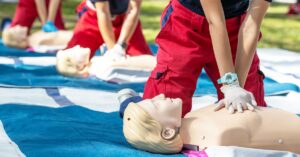
BLS training teaches healthcare professionals and other trained responders how to provide basic cardiovascular life support in hospital and out-of-hospital environments. The American Heart Association (AHA) course focuses on recognizing life-threatening emergencies and performing essential resuscitation skills.
Participants develop skills related to high-quality CPR and other fundamental components of emergency cardiovascular care. These skills create an important foundation for healthcare professionals who must respond quickly when a patient experiences cardiac arrest or another serious emergency.
What Is ACLS Certification?
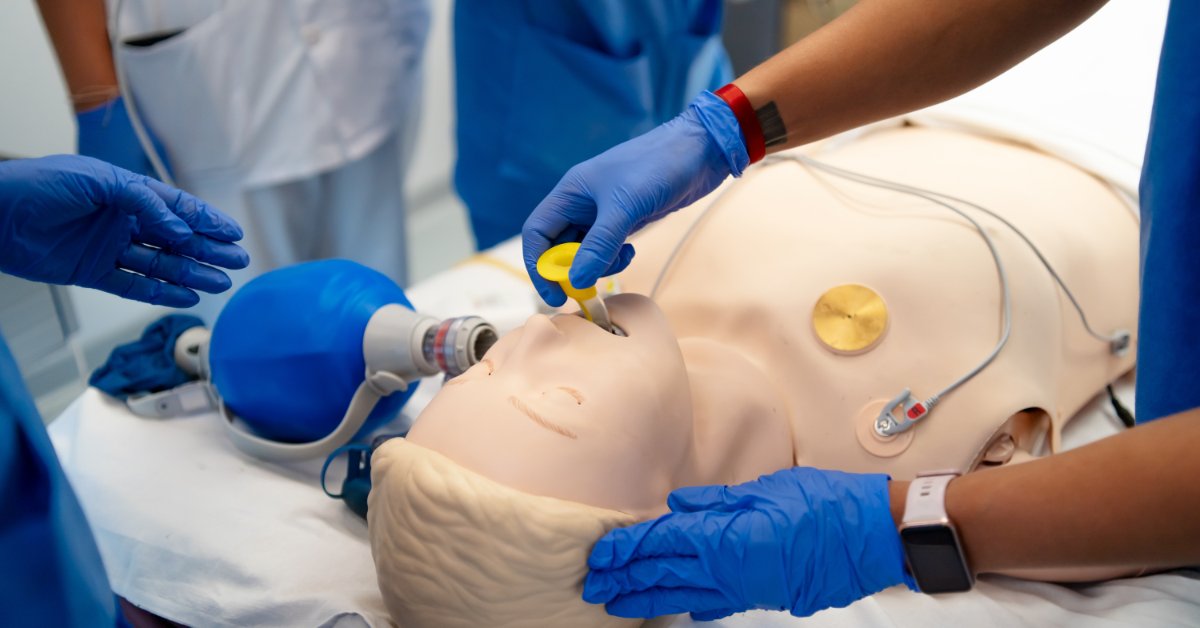
ACLS builds on the core skills healthcare professionals develop through BLS training. The AHA designed ACLS for professionals who direct or participate in the management of cardiac arrest, stroke, and other cardiopulmonary emergencies.
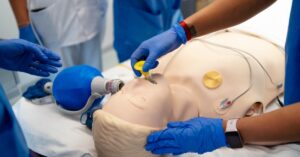
An AHA ACLS course provides instructor-led training focused on cardiovascular emergencies, quality resuscitation education, and primary and secondary assessment. Such courses give healthcare professionals an opportunity to strengthen advanced emergency response skills in a structured classroom environment.
How Do ACLS and BLS Differ?
Level of Care
A key difference in ACLS and BLS certification that is worth explaining is the level of care. BLS concentrates on foundational lifesaving interventions that support a patient during a cardiac or respiratory emergency. ACLS moves beyond those foundational skills and addresses the advanced management of serious cardiovascular conditions.
The AHA expects ACLS participants to arrive proficient in BLS skills. This relationship makes BLS an important foundation for the more advanced concepts that ACLS training addresses.
Intended Participants
BLS serves healthcare professionals, trained first responders, and enrollees in healthcare training programs. It applies to professionals who may need to perform basic cardiovascular life support across a range of care settings.
ACLS targets healthcare professionals who take part in managing cardiac arrest, stroke, or other cardiopulmonary emergencies. Depending on your profession and employer requirements, you may need BLS, ACLS, or both.
Choose the Training Your Role Requires
BLS and ACLS support different stages of emergency cardiovascular care. BLS establishes essential lifesaving skills, while ACLS builds on that knowledge to prepare qualified healthcare professionals for more advanced cardiovascular emergencies.
CPR123 provides instructor-led training to help healthcare professionals strengthen their knowledge and emergency response skills. Explore CPR123’s ACLS certification options and register for a classroom course that fits your professional training needs.