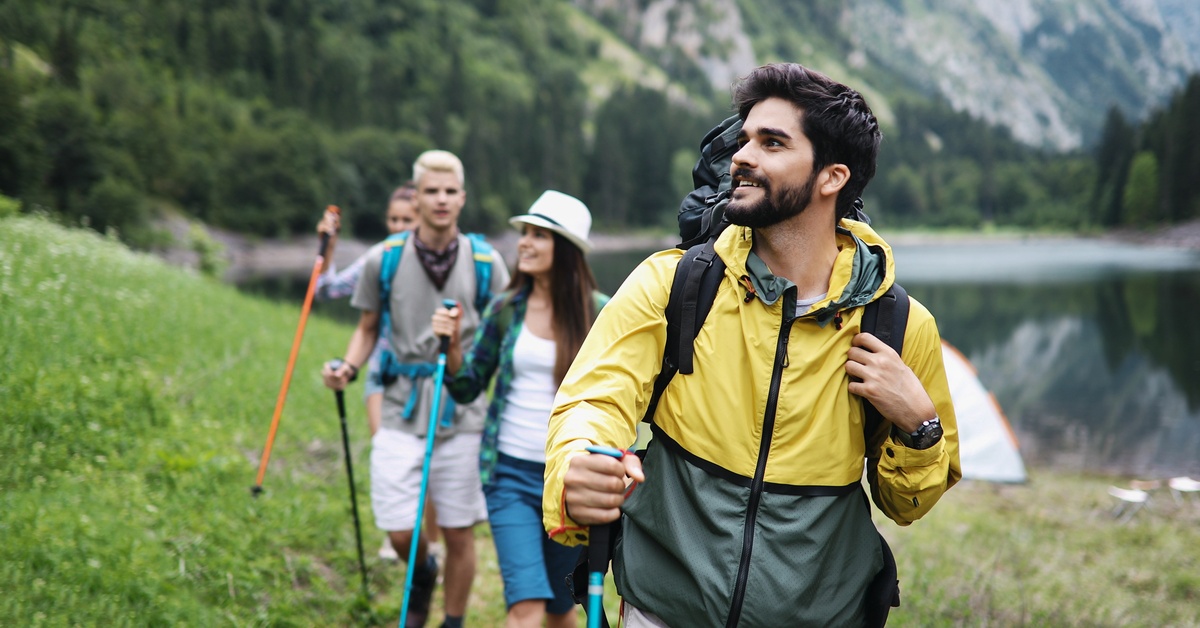
Picture a quiet trail that is miles from the nearest road. The crisp scent of pine needles lingers in the cool morning air, while every footstep sends a sharp crunch echoing through the hush of the forest. Birdsong flutters through the stillness, each note rising above the hush like threads of gold in the morning air.
Suddenly, someone in your hiking party collapses. Ambulances will have a tough time reaching this spot quickly, and there are no hospitals within striking distance. This is where the role of CPR in wilderness first aid and preparedness becomes impossible to ignore.
Wilderness emergencies challenge your physical abilities, but they also demand quick thinking and practical know-how. When professional help is far away and every second counts, knowing how to respond can potentially save a life.
When the Trail Becomes the Emergency Room
In the wilderness, the usual safety nets disappear. Help is just a phone call away in major cities, and the paramedics typically arrive within minutes. Out on the trail or deep in the backcountry, getting emergency help is much harder.
If someone experiences a cardiac event on a remote trail, it could be an hour or more before help arrives. The same challenge exists on a remote river or a ski tour far from the lodge. As soon as a group leaves marked trails, the distance from emergency support increases, making every medical event more complicated and time-sensitive.
Why Remote Locations Change the Rules
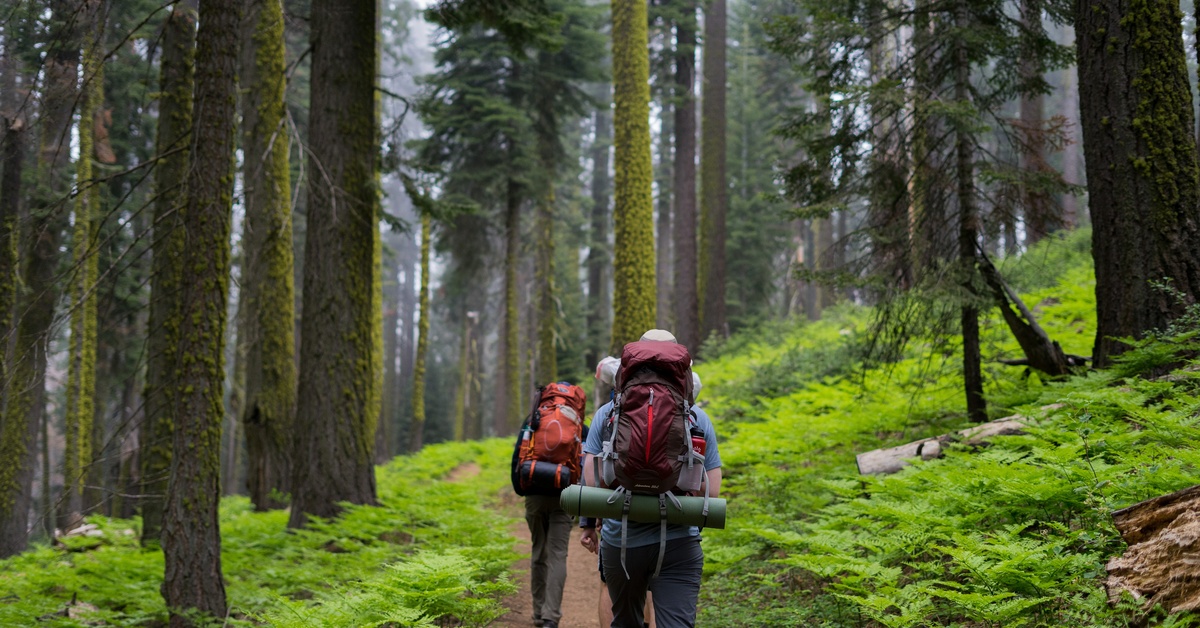
Cell service can drop off once you leave populated areas, making communication with emergency responders difficult or impossible. Trail maps might show you the elevation but won’t tell you how long it takes for help to arrive. Weather conditions can change in an instant, and rugged terrain can turn a simple rescue into a multi-hour ordeal.
In these critical early minutes, someone trained in CPR becomes the first and most important line of defense. Effective chest compressions help keep blood flowing to the brain and heart until professional responders arrive. For some rescues, a helicopter may need an hour or more to reach a remote ridge, and ground crews can be delayed even further by challenging terrain.
Group leaders planning backcountry trips take on responsibilities that extend far beyond choosing a route. Camp counselors and outdoor guides all benefit from knowing how to respond to sudden cardiac arrest or serious injuries.
Wilderness preparedness means thinking ahead: what will you do if something goes wrong and you have no cell service? Many outdoor programs now require staff to hold up-to-date certifications, and some state parks ask guides to show proof of emergency training before leading groups. Increasingly, outfitters will hire guides who can demonstrate these skills, because proper training can be the deciding factor between life and death in an emergency.
CPR Knowledge That Travels Anywhere
While the basic skills of CPR remain consistent wherever you are, applying them in the wilderness often requires some adjustments. In remote settings, a rescuer might not have access to a clean, flat surface for chest compressions and may need to get creative with what’s available.
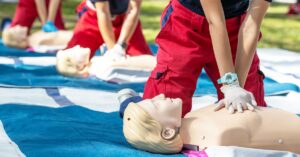
Compression-only CPR is useful in backcountry areas, as it eliminates the need for a barrier device or rescue breaths, allowing a solo responder to keep blood circulating until help arrives. Outdoor conditions such as uneven ground or loose rocks can make proper hand placement and consistent compression depth more difficult. Bracing yourself against a sturdy object, such as a tree, backpack, or boulder, can help you maintain steady pressure and effective compressions.
Recognizing the Signs Before It’s Too Late
Sudden cardiac arrest often strikes without obvious warning signs. A hiker may go from talking and laughing to being unresponsive within seconds. Recognizing the signs quickly gives a rescuer the best shot at saving a life. Watch for these warning signs during any outdoor excursion:
- Sudden collapse with no response to voice or touch
- Gasping or irregular breathing that doesn’t sound normal
- No pulse at the wrist or neck
- Pale or bluish skin color, especially around the lips
- Confusion or disorientation right before a person goes unresponsive
Recognizing these warning signs allows someone with CPR training to begin chest compressions right away, preventing the situation from getting worse. After a cardiac arrest, every minute without CPR dramatically reduces the chance of survival, so acting fast is critical.
When a trained responder begins compressions within the first few minutes, the odds of a collapsed hiker making a full recovery increase significantly by the time paramedics arrive at the scene. Early CPR keeps vital oxygen flowing to the brain and heart, buying precious time until advanced care becomes available.
Preparing for the Unexpected with the Right Training
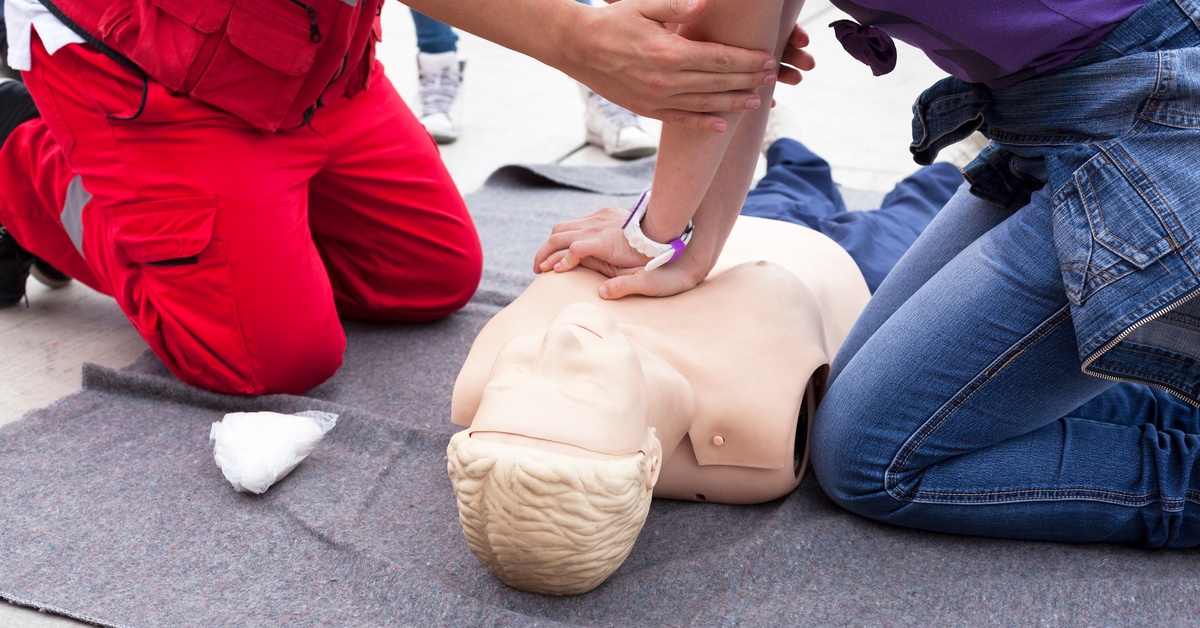
Wilderness trips deserve the same careful preparation as any high-stakes activity. While packing the right gear is important, having the right knowledge is just as vital. Courses like AHA Heartsaver First Aid offer practical, hands-on training that helps turn panic into purposeful action, especially in remote settings.
CPR123 provides instruction for healthcare professionals and outdoor enthusiasts alike. We operate across New York and Texas to prepare people for emergencies, whether they occur in a city or deep in the backcountry.
The AHA Heartsaver First Aid course covers essential CPR techniques along with first aid skills such as wound care and choking response, giving outdoor groups a reliable foundation before setting out. The hands-on practice in these courses builds muscle memory, so your response stays sharp under the pressures of a real-life emergency in the wilderness.
Building Your Wilderness Readiness Kit
Strong wilderness preparedness means having both the right supplies and the right skills and knowing how to use them in coordination with one another. Carrying a first aid kit is a good start, but it only helps if someone knows how to use what’s inside.
Before setting out into remote areas, make sure your kit is lightweight and well-stocked, and familiarize yourself with the nearest access points for emergency vehicles. Practice CPR steps with every group member, so no one is left out or caught off guard if something happens. Sharing these skills with the group increases everyone’s confidence and readiness.
Taking a refresher course before a big trip keeps techniques sharp and up to date. Trip leaders should also note the nearest ranger station or trailhead with reliable cell service, as this information can save valuable time in an emergency. Ultimately, a few minutes of strategic planning before you leave can be more important than any single item in your pack.
Bringing CPR Skills Into the Wild
Wilderness adventures are full of exciting and lasting memories, but they also come with unique risks that you might not encounter in the city. The role of CPR in wilderness first aid and preparedness is about having the confidence and practical skills to respond quickly when professional medical help may be hours away.
Whether you’re a day hiker or a seasoned backcountry guide, hands-on training in CPR and first aid can be lifesaving when emergencies happen far from immediate help. CPR123 provides AHA-certified courses throughout Manhattan, Brooklyn, Queens, Mineola, Huntington, and San Antonio. We equip outdoor enthusiasts with the knowledge and tools needed to manage emergencies wherever their adventures take them.