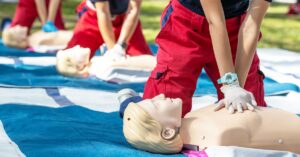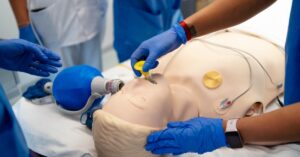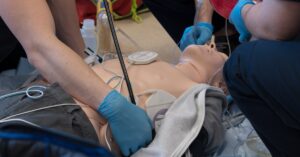
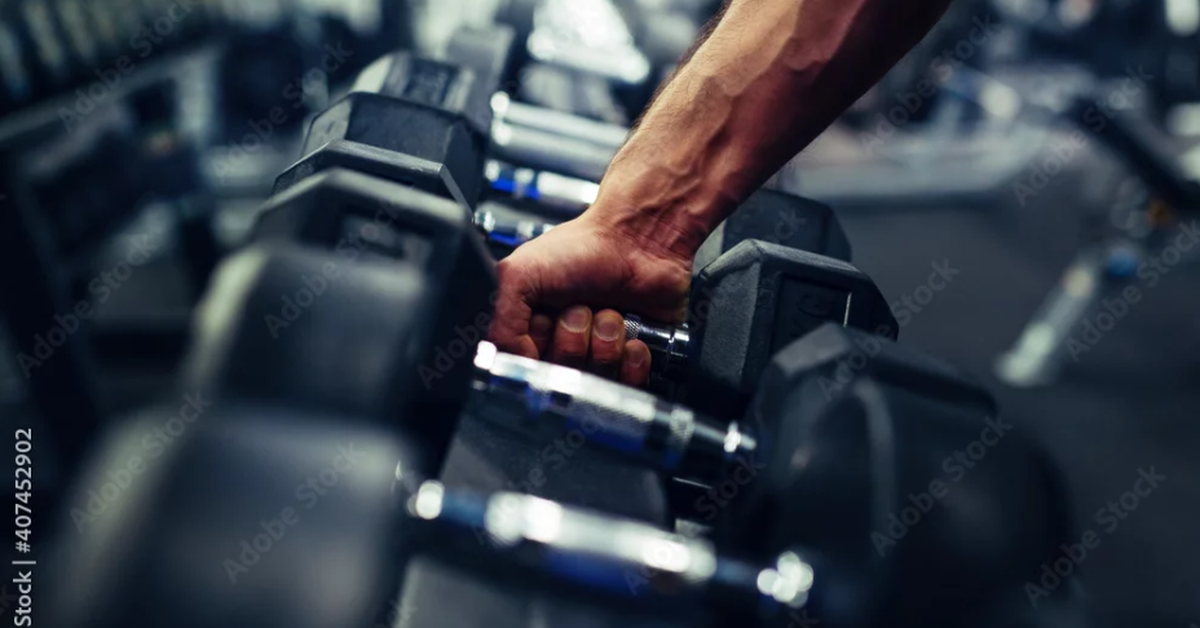
Walk into any gym, and you’ll see people pushing their limits. They’re striving for new personal bests and chasing their goals with real determination. Yet heart emergencies can strike anyone, anytime, no matter how healthy or athletic they appear. That’s why the importance of AEDs in gyms and fitness centers can’t be overstated. Having an Automated External Defibrillator close by could be the difference between saving a life and losing one.
What Is an AED and Why Does It Matter?
An AED, or Automated External Defibrillator, is a portable medical device designed to treat sudden cardiac arrest on the spot. Sudden cardiac arrest shuts the heart down without warning, and brain damage can begin within four to six minutes without intervention.
AEDs give bystanders the ability to step in before emergency responders arrive, and that window of action saves lives. Every fitness facility should treat an AED as essential equipment, right alongside a first aid kit.
How AEDs Work
An AED detects abnormal heart rhythms and delivers a targeted electric shock to restore a normal heartbeat. The device walks users through each step with clear audio prompts, so an untrained bystander can operate it effectively. Speed matters enormously in cardiac arrest. For every minute without defibrillation, survival rates drop by roughly 10 percent.
Who Is at Risk in a Gym Setting
Intense physical exertion can trigger sudden cardiac arrest in people who appear perfectly healthy. Athletes at the peak of fitness have experienced cardiac events mid-workout. Older members and individuals with undiagnosed heart conditions carry elevated risk, and people returning to exercise after a long break often push too hard too fast. A gym environment creates real conditions for cardiac emergencies, and every facility has a responsibility to prepare for medical emergencies.
The Legal and Ethical Case for AEDs
Many states now require fitness facilities to keep AEDs on-site and accessible. New York and Texas both have laws that address AED access in public spaces and commercial gyms. Beyond the legal requirement, the ethical obligation runs just as deep. When someone collapses on your gym floor, your staff should have the tools and the training to act immediately.
Staff Training Makes AEDs Effective
An AED is only as effective as the people trained to use it. That’s why every gym should make sure all staff who interact with members are certified in CPR and AED use. Taking it a step further, staff who complete an ACLS certification course gain the advanced skills needed to handle even the most challenging cardiac emergencies. This training builds confidence and ensures that help is ready when it’s needed most.
Preparing for the Unexpected: Steps for AED Readiness
Launching an AED program is about much more than buying the equipment. To truly prepare for emergencies, gym owners and managers must have a real response system in place.
- Post AED locations with clear signage throughout the facility.
- Schedule routine maintenance checks to confirm the device functions properly.
- Require all staff to complete CPR and AED training before working the floor.
- Develop a written emergency action plan specific to cardiac events.
- Run regular drills so staff can respond quickly under real pressure.
Each step helps build a system that functions when lives are on the line. When everyone knows their role and the equipment is ready, a gym can turn a crisis into a lifesaving moment.
The importance of AEDs in gyms and fitness centers comes down to a central truth: cardiac emergencies happen without warning, and prepared facilities save lives. If your gym is ready to take that responsibility seriously, CPR123 can help you build the training foundation your team needs.