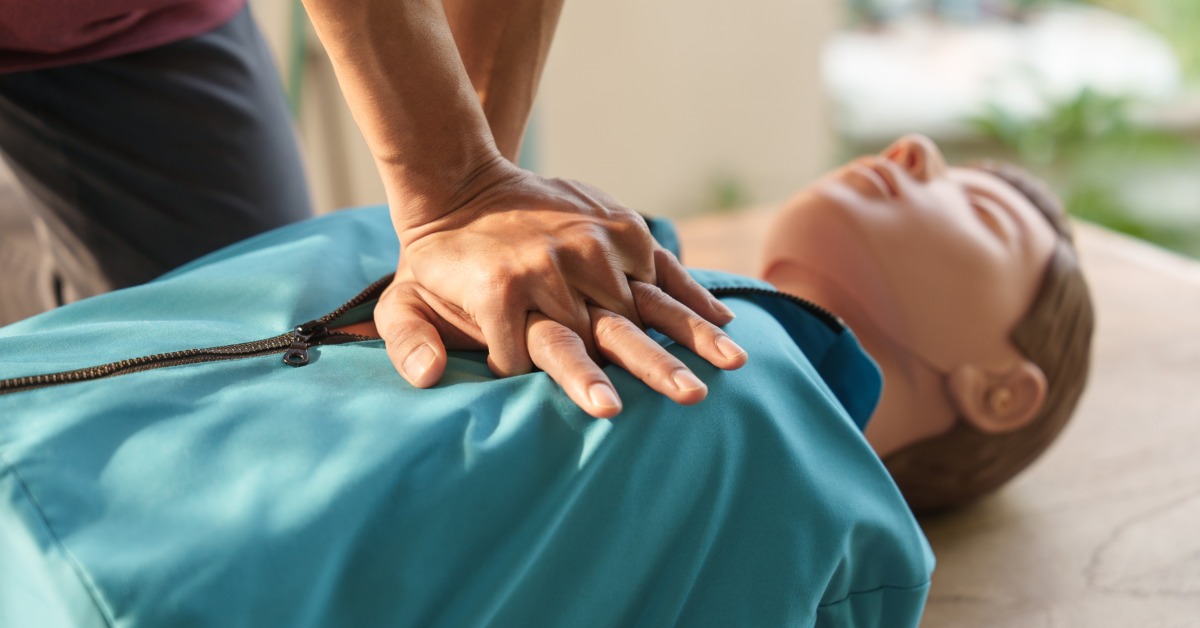
Basic Life Support (BLS) training gives healthcare professionals and students the practical skills to respond to cardiac arrest, respiratory emergencies, and other life-threatening situations. If your employer, school, or clinical program requires this credential, cost may influence when and where you enroll.
Course prices can vary by location, training format, provider, and materials the course includes. Understanding these differences helps you compare classes accurately and avoid choosing a course that fails to meet your professional requirements. Keep reading to get a clearer picture of what you should expect when it comes to the cost of BLS certification.
How Much Does BLS Certification Cost?
American Heart Association (AHA) BLS course prices do not follow one universal rate. Each authorized training center sets its own pricing depending on local operating expenses, instructor availability, classroom resources, and course delivery format. A lower advertised price may cover only part of the training, while a higher fee may include materials, hands-on testing, and an electronic course completion card.
CPR123 currently lists classroom AHA BLS certification courses at $75 in Manhattan, Brooklyn, Queens, and Mineola. Its San Antonio, Texas, classroom course currently costs $60. Prices and availability can change, so students should review the registration page before choosing a date.
What Does the Course Fee Usually Include?
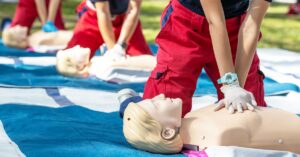
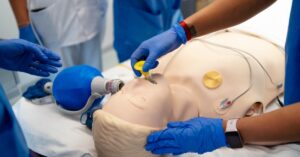
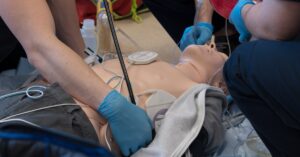
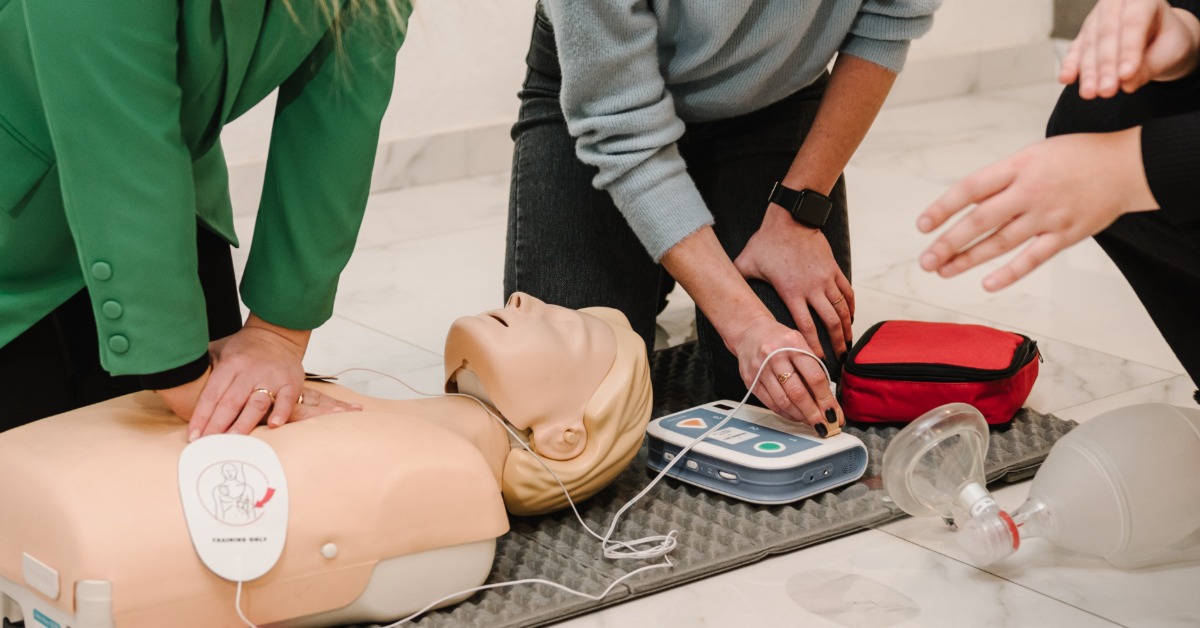
A complete classroom course typically combines instruction, skills practice, scenario-based learning, and testing. Students work with an instructor throughout the course and practice techniques with training equipment. The instructor also evaluates whether each participant can perform the skills correctly.
The fee may also include the course completion eCard, access to course materials, or administrative processing. Training centers structure their fees differently, so read the course description carefully.
What You Receive from BLS Certification
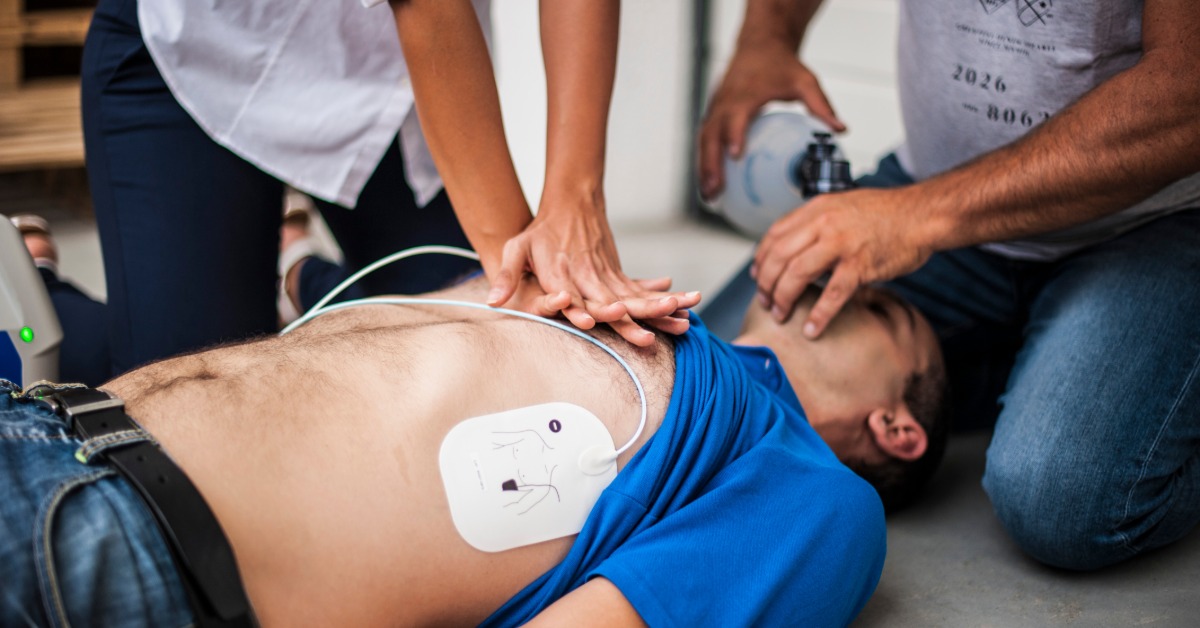
The course teaches healthcare professionals how to recognize life-threatening emergencies, provide high-quality CPR, deliver appropriate ventilations, and use an automated external defibrillator early. Participants also develop skills for adult, child, and infant care, single-rescuer response, and team-based resuscitation.
After you complete all course requirements, you receive a BLS Provider Course Completion eCard that remains valid for two years. Employers and other organizations can verify the card electronically, which gives them a secure way to confirm your training status.
Factors That Affect BLS Certification Pricing
One thing you should expect when it comes to BLS certification cost is that many factors can influence the pricing. Comparing these factors can help you determine whether two courses provide the same level of instruction and the same credential.
Training Location
Training providers may charge different rates in different cities because classroom rent, staffing costs, equipment expenses, and local demand vary. A course in a major metropolitan area may cost more than a course in another market, even when both classes teach the same core skills.
Location also affects your total expense beyond the registration fee. Consider travel time, parking, public transportation, and time away from work. A slightly more expensive class near your home, hospital, or school may cost less overall than a distant class with a lower advertised price.
Classroom or Blended Learning Format
The AHA offers classroom, blended, and self-guided training options. In a classroom course, an instructor leads the cognitive instruction, hands-on practice, and skills testing. In blended learning, students complete an online portion before attending a hands-on skills session.
The total cost of blended training may include separate charges for the online program and the in-person skills session. Do not compare the online portion alone with the price of a complete classroom class. Confirm the full amount necessary to complete every component and receive your card.
Course Materials
Some training centers include a provider manual or digital reference materials in the registration price. Others require students to purchase materials separately. These differences can make one course appear less expensive at first, even when the final cost becomes similar after required purchases.
Review the registration details for any mention of books, digital materials, reference cards, or online access. When the page does not clearly explain what the fee includes, contact the training center before making a payment.
Individual or Group Training
Hospitals, schools, medical offices, and other organizations may arrange private group instruction. Group pricing depends on the number of participants, the training location, the schedule, and the resources to conduct the class.
On-site instruction can help organizations reduce travel, coordinate staff schedules, and train multiple employees in one setting. The per-person rate may differ from public classroom pricing, so organizations should request a quote based on their group size and operational needs.
Why the Lowest Price May Not Provide the Best Value
Price matters, but it should not serve as your only selection factor. A very low-cost course may not provide the credential your employer requires, may exclude hands-on testing, or may add separate fees later in the registration process.
Choose a course that clearly identifies its training format, instructor involvement, skills evaluation, completion requirements, and card type. Before enrolling, confirm the exact course requirement with your employer, licensing body, school, or clinical program.
How Long Does a BLS Course Take?
Course length depends on the delivery format and the participant’s experience. The AHA states that a full classroom provider course takes approximately four and a half hours, including breaks, skills practice, and testing. Actual schedules may vary by class size, training center, and instructor arrangement.
For blended learning, the online portion may take approximately one to two hours. The hands-on skills session may take another one to two hours, depending on the student’s experience. Students should complete both components when the blended course requires them.
How Long Does the Completion Card Remain Valid?
The BLS Provider Course Completion eCard remains valid for two years. The validity period extends through the end of the month shown on the card, and students can present the eCard to employers as proof of successful completion.
How to Avoid Unexpected Costs
Read the full course description before registering. Confirm whether the fee includes instructor-led training, skills practice, skills testing, course materials, and the completion eCard. Also check the provider’s cancellation, rescheduling, late-arrival, and refund policies.
Plan for indirect expenses as well. Parking, transportation, childcare, and missed work can increase the total cost of attending a class. Choosing a convenient date and location can make the experience more manageable, especially for healthcare professionals balancing clinical schedules.
Questions to Ask Before Registering
Contact the training provider when the registration page leaves any detail unclear. Ask whether the course meets your employer’s requirements, whether you need to complete any work before class, and whether the price includes all components.
You should also confirm the class location, start time, expected duration, required identification, and card delivery process. Clear answers help you arrive prepared and reduce the chance of paying for the wrong course.
Choose Training That Meets Your Requirements
BLS certification costs depend on the provider, location, training format, course materials, and class arrangement. The best value comes from a complete course that provides practical instruction, hands-on evaluation, clear pricing, and the credential your employer or school requires.
CPR123 offers instructor-led classroom training for healthcare professionals in New York and Texas. Review available dates, confirm current pricing, and register for a CPR123 BLS certification course that fits your schedule and professional requirements.