Health providers ask this question more than you’d think: What’s the difference between PALS and BLS, and which one do I need? Both certifications come from the American Heart Association, and both save lives. But they serve very different clinical purposes and target entirely different patient populations. Knowing which one fits your role keeps you prepared for the moments that count.
BLS Builds the Foundation
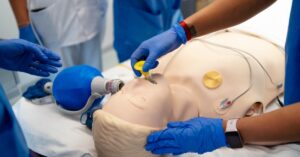
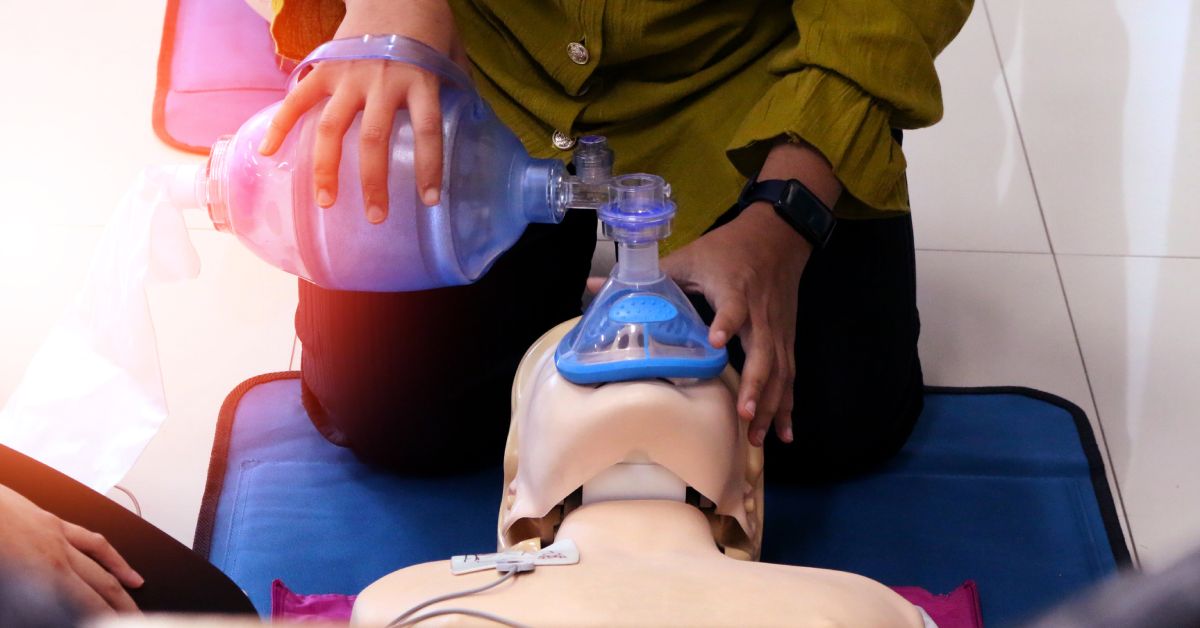
Basic Life Support covers the core emergency skills every healthcare provider needs. BLS addresses high-quality CPR and AED use for patients across all age groups, along with proper ventilation techniques.
Whether you work in a hospital or a community clinic, this certification enables you to respond when a patient’s heart stops or breathing fails. A BLS certification course trains providers to act quickly and decisively in cardiac emergencies, without second-guessing the next step.
PALS Focuses on the Youngest Patients
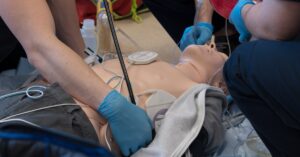
Pediatric Advanced Life Support takes providers deeper into pediatric emergencies. PALS builds on BLS fundamentals and adds advanced clinical assessment, pediatric-specific resuscitation algorithms, and coordinated team response skills.
The course prepares providers to manage cardiac arrest and respiratory failure in infants and children with the precision that pediatric care demands. When little lives are on the line, PALS gives providers the advanced tools to respond.
How the Two Certifications Differ
Knowing the difference between PALS and BLS can shape your clinical readiness. Each credential serves a distinct purpose, and understanding which one fits your role is essential for every healthcare provider. Here’s how the two certifications differ:
- Patient focus: BLS applies to all age groups; PALS centers exclusively on pediatric patients.
- Skill depth: BLS covers foundational emergency response; PALS adds advanced pharmacology and cardiac rhythm recognition.
- Airway management: PALS covers techniques designed specifically for smaller patients.
- Team dynamics: PALS trains providers to lead and coordinate during high-stakes pediatric resuscitations.
Who Needs Which Certification?
BLS is appropriate for any healthcare professional who provides direct patient care. If you interact with patients regularly in a clinical setting, from a nurse’s station to a dental chair, BLS is your starting point.
PALS is essential for providers who treat children in critical situations. If your work brings you into pediatric emergencies, whether in an emergency department or on an ambulance call, PALS is non-negotiable.
So, what’s the difference between PALS and BLS? Now you have the answer. Both certifications reflect a genuine commitment to patient care and belong in a well-rounded healthcare professional’s toolkit. CPR123 offers AHA-certified BLS and PALS courses at locations across New York and Texas. Pick your course, find your location, and get certified today.