Many new nurses begin their careers unsure of how to bridge the gap between classroom knowledge and the fast-paced demands of neonatal emergencies. The problem is that, despite strong academic preparation, hands-on skills and confidence can lag when facing real-life situations.
This is where the Neonatal Resuscitation Program (NRP) comes in handy. What new nurses should know when signing up for NRP training is that it offers a solution: guided instruction and simulation provide the practical experience needed to respond well under pressure. By preparing well and actively engaging in training, new nurses can position themselves for long-term success in neonatal care.
Understanding the Structure of NRP Training
NRP training follows a blended learning format that combines online coursework with in-person skills evaluation. You complete the cognitive portion first, which introduces core concepts, algorithms, and clinical decision-making. This portion sets the foundation for everything you will practice later.
What makes this approach effective for new nurses is the opportunity to learn at their own pace before stepping into high-stakes, real-world scenarios. The online component lets you revisit challenging topics and ensures you fully grasp the material before moving on. This flexibility is particularly valuable for those balancing shifts or transitioning from other specialties.
What Happens During In-Person Training
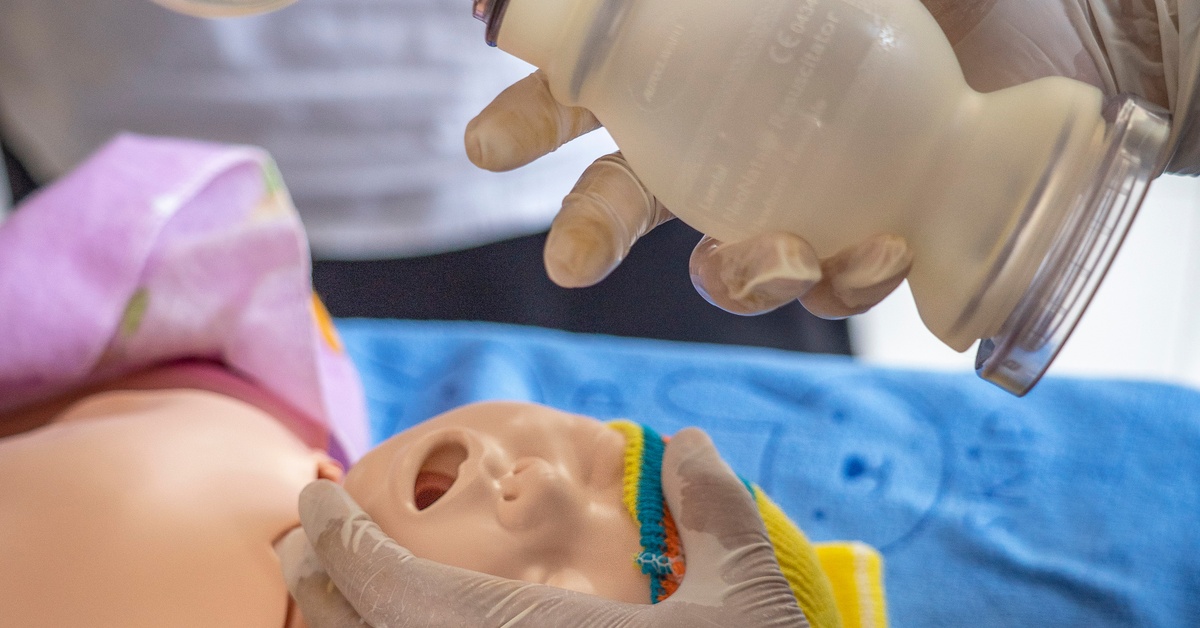
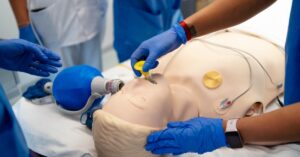
During the in-person session, instructors guide you through simulation-based scenarios that reflect real delivery room situations. You must apply your knowledge under time constraints while following established protocols.
These hands-on simulations mimic the pressure and unpredictability of actual neonatal emergencies, giving you a safe space to build your confidence and refine your technique. Many nurses find that practicing in a controlled environment reduces their anxiety and prepares them to act decisively when it matters most.
Instructors assess your ability to prioritize interventions and adapt to changing conditions. Reviewing the course material in advance allows you to focus more on execution during the hands-on portion.
The feedback you receive during these sessions is immediate and constructive, helping you identify strengths and areas for improvement. By fully embracing both the online and in-person elements of NRP training, you give yourself the best chance to excel in your ongoing clinical practice.
Building a Strong Foundation in Neonatal Physiology
A clear understanding of neonatal physiology improves your ability to make fast, informed decisions. You should focus on how newborns transition from intrauterine to extrauterine life. This includes respiratory function, circulation changes, and temperature regulation immediately after birth.
Mastering these basics will sharpen your clinical skills and help you anticipate the specific needs of each newborn in your care. By understanding the physiological adaptations that take place in those first critical moments, you’ll be better equipped to recognize issues before they become emergencies, ensuring safer outcomes for your smallest patients.
New nurses must recognize subtle signs of distress before they escalate. Changes in color, breathing effort, or heart rate often signal the need for intervention. You should review oxygen saturation targets and understand how ventilation supports stabilization. When you know why each intervention matters, you can act with greater confidence and accuracy during training.
Prepare for Hands-On Skills and Simulation
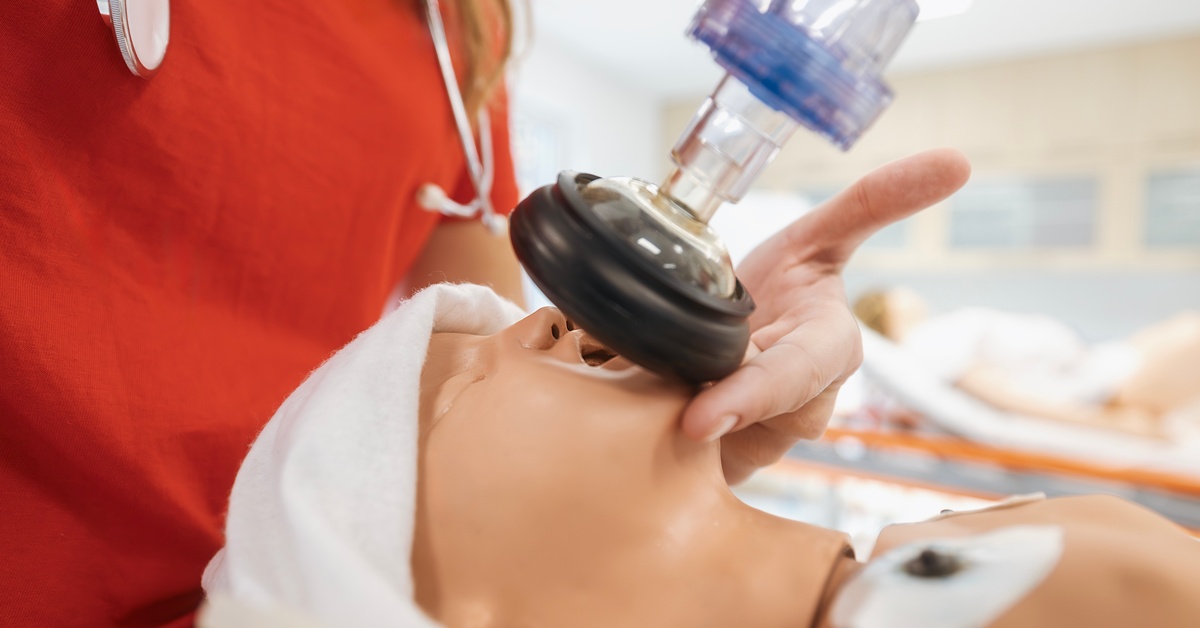
NRP training requires you to perform specific skills consistently and precisely. You must demonstrate proper airway positioning, effective ventilation techniques, and coordinated chest compressions. Practicing these skills ahead of time can improve both confidence and performance.
Simulation scenarios often move quickly and require immediate action. You must stay focused while following the neonatal resuscitation algorithm step by step. Instructors expect you to maintain accuracy even under pressure. Repetition helps you build muscle memory, allowing you to respond more efficiently during evaluations and in real clinical situations.
Strengthen Critical Thinking Under Pressure
NRP training puts your decision-making to the test in fast-paced scenarios that mirror actual delivery room challenges. You’ll need to quickly evaluate a newborn’s condition, set priorities, and select the most appropriate intervention, often within seconds. This blend of technical knowledge and sharp observation is essential for effective care.
As a new nurse, it’s normal to feel hesitant when you’re uncertain about the next step. NRP training addresses this head-on by helping you develop a systematic approach to clinical decision-making. Practicing how to spot subtle changes and respond with the right action helps turn uncertainty into readiness.
Over time, you’ll find it easier to trust your training and instincts, allowing you to deliver swift, well-informed care when it matters most. Developing strong critical thinking in these scenarios supports your growth throughout your nursing career.
Focus on Team Communication and Leadership

Clear, purposeful communication is at the heart of every successful neonatal resuscitation. In these high-stress moments, exchanging information quickly and accurately with your team is as important as performing technical skills. By staying focused on both your words and your actions, you help ensure everyone is on the same page, and the infant receives seamless care.
During training, you’ll step into a variety of team roles, from leading the resuscitation to providing vital support. This hands-on experience builds your understanding of the responsibilities involved and shows you how effective teamwork and communication can make a real difference in outcomes. Keep these key practices in mind:
- Use closed-loop communication to confirm tasks.
- Speak clearly and give direct instructions.
- Announce changes in the newborn’s condition immediately.
- Stay aware of your assigned role and team dynamics.
These habits improve both team coordination and patient outcomes during high-pressure situations. Practicing effective communication in training ensures that, when real emergencies arise, everyone can respond quickly and work together for the best results.
Plan for Certification and NRP Recertification
NRP certification is not a one-time milestone; it’s an ongoing commitment to professional growth and patient safety. To keep your skills sharp, make it a habit to check your certification timeline and schedule renewal sessions well in advance. This simple step can prevent last-minute scrambles or accidental lapses that might impact your ability to care for patients or meet workplace requirements.
NRP recertification is a valuable opportunity to refresh your knowledge, learn about the latest updates to resuscitation guidelines, and strengthen your hands-on technique. Most healthcare employers expect you to always have active certification, so staying organized and proactive helps you remain ready for any neonatal emergency that comes your way.
Choose the Right Training Provider
Your training experience depends heavily on the provider you choose. Instructor-led, in-person courses offer valuable opportunities for real-time feedback and skill refinement. You should look for programs that emphasize hands-on learning and realistic simulation.
CPR123 provides training designed specifically for healthcare professionals who need practical experience. Our instructor-led courses allow you to hone your skills in a structured, supportive environment.
With flexible scheduling and experienced educators, we help new nurses build their competence and confidence. Choosing a trusted provider ensures you receive high-quality instruction that prepares you for real clinical situations.
Strengthen Your Skills for Neonatal Care
What new nurses should know when signing up for NRP training goes far beyond checking off a certification box. It’s about immersing yourself in real-world learning, developing sound clinical judgment, and building the ability to make quick, effective decisions when every second counts. Thorough preparation and active participation in training will set you up for success, not just on test day, but every time you step into the delivery room.
If you’re looking for hands-on experience and guidance from experts who understand the demands of neonatal care, CPR123 offers programs tailored for new nurses. Our courses help you translate theory into practice, so you feel ready to step into your role and provide the best possible care for your tiniest patients.