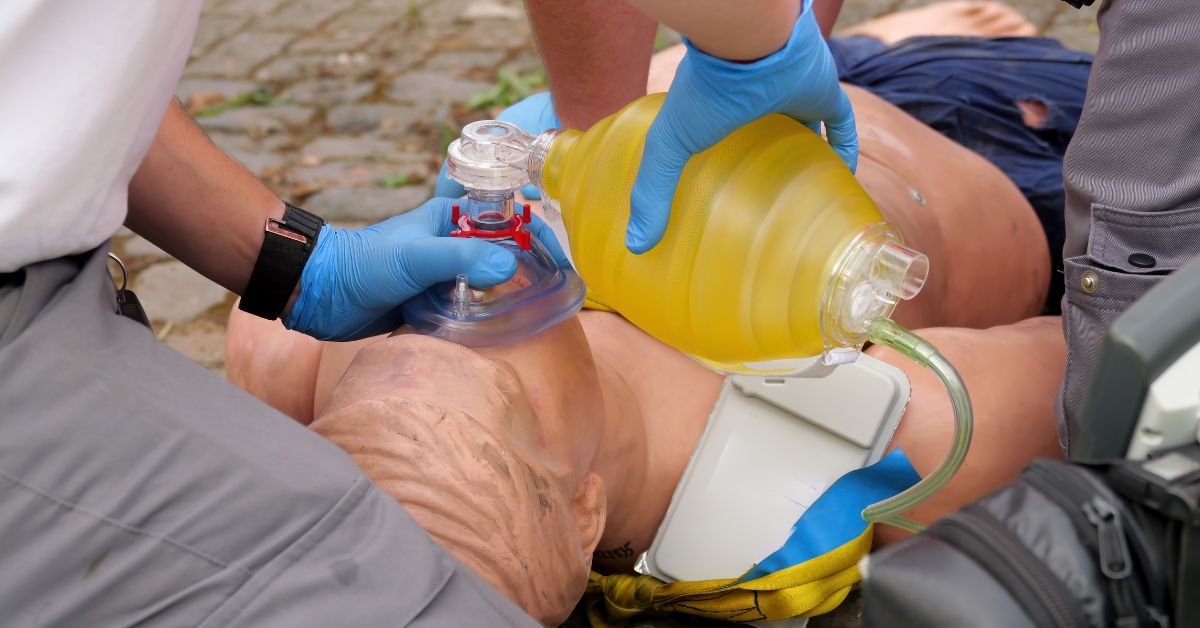
Living in a remote or rural area shouldn’t prevent you from obtaining life-saving Basic Life Support or BLS certification. While access to training centers may be limited in less populated regions, healthcare professionals, teachers, and community members in these areas still need these critical skills. These tips for getting BLS training in remote and rural areas can help bridge the gap between urban resources and rural needs, ensuring that certified responders are available regardless of location.
Understanding Your BLS Training Options
When it comes to fulfilling your BLS certification requirements, be aware of the various training formats and resources available. Selecting the right training option can ensure that you gain the necessary skills efficiently while accommodating your schedule and personal learning preferences.
Traditional In-Person Classes
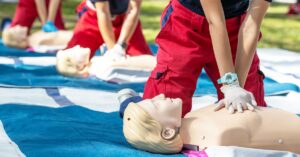
Many rural areas have limited access to American Heart Association (AHA) or American Red Cross training centers, but opportunities still exist. Local hospitals, fire departments, and community colleges often host BLS courses throughout the year. These institutions may hire certified instructors from larger cities or have staff members who maintain their instructor certifications. Contact your regional medical center or volunteer fire department to inquire about scheduled classes.
Online Learning Approaches
Online learning combines flexible coursework with interactive content to help students gain knowledge at their own pace. Learners complete the theoretical portion through engaging online modules, often supported by videos, quizzes, and simulations, eliminating the need for in-person sessions while maintaining high educational standards. This format offers convenience and efficiency, making it ideal for busy schedules.
Organizing Community Group Sessions
Organizing community group sessions is an effective way to ensure widespread access to vital training and resources. These sessions bring individuals together in a convenient, collaborative setting, allowing participants to learn and practice essential skills while fostering a sense of community and shared responsibility.
Building Participant Interest
Gathering enough participants for a group session requires strategic outreach within your community. Healthcare workers, educators, coaches, and childcare providers often need BLS certification for their jobs. Additionally, community members interested in emergency preparedness may welcome the opportunity to learn these skills. You can also consider partnering with employers who require BLS certification for their staff, as they may be willing to sponsor or co-sponsor a training session.
Coordinating Scheduling and Logistics
Once you have sufficient interest, work with training organizations to find mutually acceptable dates and locations. Community centers, schools, and churches often have suitable spaces with adequate room for practice stations and AED training. Consider seasonal factors when scheduling, as weather conditions may affect instructor travel or participant attendance. Spring and fall often provide the most reliable conditions for organizing training sessions in rural areas.
Sharing Costs Effectively
Group sessions typically offer better per-person pricing than individual certifications. Participants can split instructor travel costs, venue fees, and administrative expenses. Some communities establish rotating funds where certified individuals contribute to help offset costs for future training sessions. Local businesses, healthcare facilities, and civic organizations may also provide financial support or sponsorship, especially if their employees or volunteers benefit from the training and skills they learn.
Working with Regional Healthcare Networks
Collaborating with regional healthcare networks is essential for ensuring consistent and accessible care across underserved areas. These partnerships enable the sharing of resources, expertise, and support systems, ultimately improving patient outcomes and addressing gaps in healthcare delivery.
Hospital System Partnerships
Regional hospital systems often coordinate training programs across multiple rural locations. These networks may offer economies of scale, making training more accessible and affordable for remote communities. Contact the education or human resources department of your regional hospital to inquire about community training programs. Many hospitals have community benefit programs that include emergency response training as part of their mission.
Emergency Medical Services Coordination
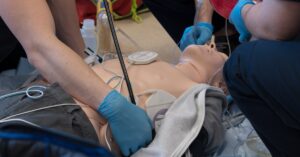
Rural EMS services frequently maintain instructor certifications and may be willing to provide community training. These partnerships benefit both parties, as more trained community members can provide initial care while EMS responds to calls. EMS services may also have access to grant funding or community support that can offset training costs for rural participants.
Leveraging Technology for Preparation
Preparing for training sessions can be greatly enhanced by utilizing modern technology to streamline the process. From online scheduling tools to virtual practice platforms, technology offers accessible resources to ensure participants are equipped and ready for success.
Online Pre-Learning Resources
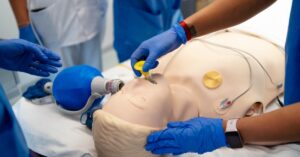
While hands-on practice remains essential for BLS certification, online resources can help rural participants prepare more effectively for their skills sessions. Many organizations offer online courses that cover theoretical knowledge, allowing students to focus entirely on practical skills during in-person training. These online components can be particularly valuable when instructor time is limited or when travel distances make it challenging to conduct extended training sessions.
Video Conferencing for Theory Sessions
Some instructors offer theory sessions via video conferencing, followed by separate hands-on skills training. This approach can reduce overall costs by minimizing instructor travel while maintaining educational quality. Ensure your internet connection and technology setup can support video conferencing requirements before committing to this training format.
Planning for Certification Maintenance
Maintaining certification is a crucial aspect of ensuring that skills remain up-to-date and professionals remain prepared to respond effectively in emergency situations. Proper planning and awareness of renewal requirements can help individuals and organizations avoid lapses in certification while promoting continued competence in life-saving techniques.
Renewal Timeline Management
BLS certifications typically require renewal every two years. Rural participants should plan renewal training well in advance, as scheduling options may be limited. Keep detailed records of certification dates and begin planning renewal training at least six months before expiration.
Recognizing the unique challenges faced by rural communities, CPR123 offers comprehensive, expert-led BLS recertification programs. These programs are meticulously designed to ensure that healthcare providers and community leaders, regardless of their geographical location, can readily access and acquire the essential life-saving skills they need to save lives. Explore our programs today!
Continuing Education Opportunities
Some training organizations offer continuing education credits or refresher courses that can help maintain skills between formal certifications. These shorter sessions may be easier to organize in rural areas and can help ensure that certified individuals maintain their competency and practice their skills in a controlled environment.
Building a Prepared Community
Establishing informal practice groups within your community helps maintain skills and confidence between formal training sessions. While these groups cannot provide certification, they offer valuable opportunities to review techniques and scenarios.
The ability to organize these community groups becomes especially important when considering these tips for getting BLS training in remote and rural areas, as ongoing skill maintenance ensures that rural responders remain confident and competent in emergency situations. Regular practice sessions, coordinated group certifications, and partnerships with regional healthcare networks create sustainable training systems that serve rural communities and keep everyone prepared, no matter the emergency.