
Peripheral IV access is a routine but challenging clinical skill for healthcare providers, especially in busy environments. Many clinicians, both new and experienced, face common problems like difficult vein identification, patient anxiety, and time pressure, all of which can impact patient comfort and IV success rates.
The good news is that with strong technique, thoughtful preparation, and ongoing practice, you can overcome these obstacles. By addressing each challenge directly, providers can improve outcomes, streamline workflows, and deliver better patient care. The following sections explore the most common challenges in PIV insertion and offer practical ways to overcome them for consistent success.
Difficult Vein Identification
Struggling to find a good vein is one of the biggest hurdles in IV placement, and it’s frustrating for both providers and patients. Factors like dehydration, obesity, chronic illness, or repeated prior IVs can make veins tricky to spot and even harder to access.
To make the process smoother, take time to assess both arms and look for the best possible site. Simple steps like using good lighting, positioning the arm below heart level, and applying warm compresses can boost venous filling and make veins stand out. Investing a little extra time up front increases your chances of success on the first try and reassures patients of your competency.
Patient Anxiety and Movement
When patients feel anxious about an IV, it can quickly turn a routine procedure into a real challenge. Nervousness often causes patients to tense their muscles, make sudden movements, or hold their breath, all of which make insertion harder. That’s why clear, friendly communication is key: walk patients through each step, and use calm, reassuring body language to put them at ease.
Encouraging slow, steady breathing helps both the patient and provider relax, making the arm easier to stabilize. When you’re well-prepared and sound confident, patients are more likely to trust you and stay still. In the end, strong interpersonal skills are as important as technical know-how for a smooth, successful insertion.
Technique and Equipment Errors
Even seasoned clinicians can run into problems during Peripheral IV administration if their technique is off, leading to infiltration, vein blowouts, or missed attempts. Getting the angle, stabilization, and catheter advancement right takes practice and patience, not speed. When you rush, mistakes multiply and your success rate drops.
Choosing the right catheter size is just as important. Bigger isn’t always better; matching your equipment to the patient’s vein helps prevent trauma and protects vessel integrity.
Always confirm flashback before advancing, and never dig around for veins. Consistent, hands-on training is the best way to keep these techniques sharp and build the muscle memory needed for smooth, confident IV insertions.
Time Pressure in Fast-Paced Settings
Fast-paced environments like emergency departments, urgent care centers, and hospital floors keep providers on their toes. With the clock ticking, it’s tempting to cut corners, maybe by rushing site selection or skipping important prep work. But these shortcuts can lead to mistakes and repeated attempts.
The solution? Take a few moments to get organized before you start. Gather all your supplies ahead of time and set your own pace, even when things get hectic.
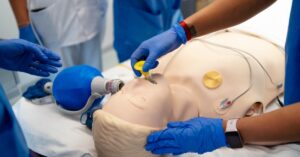
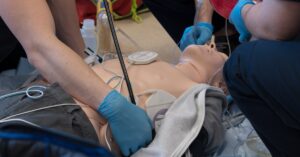
Practicing realistic simulations and sticking with regular training helps you build the confidence and muscle memory needed to perform under pressure. That way, you can deliver safe, efficient care when every second counts.
Strengthening IV Skills Through Ongoing Training
Becoming truly skilled at IV insertion doesn’t happen overnight; it takes hands-on practice, helpful feedback, and the right training. No matter where you are in your career, there’s always room to grow and fine-tune your technique. Reviewing the common challenges in PIV insertion and finding ways to overcome them is an essential skill that never goes out of style.
That’s where CPR123 comes in: our expert instructors create a supportive, engaging environment where you can build your confidence and master essential clinical skills. With training centers in both New York and Texas, you have convenient options to keep learning and improving. Investing in quality education pays off with sharper skills, greater confidence, and better outcomes for your patients.