If you work in healthcare, you already know that emergencies don’t wait for a convenient moment. Patients need fast, skilled intervention, and your level of training can determine the outcome. So, how long does CPR certification take to complete? The answer depends on the course you choose, but most healthcare providers can earn their credentials in a single day.
Course Length Varies by Certification Type
The length of a class depends on the course level, the training format, and whether you need an initial certification or a renewal. Here’s a general picture of what to expect:
- BLS: initial courses typically run 4 to 6 hours in person, though blended online-plus-skills-check formats can shorten in-person time significantly.
- ACLS: initial courses often span multiple hours across one or two days, with renewal sessions running shorter.
- PALS: length tends to mirror ACLS, since both cover advanced provider-level skills.
- Renewal courses: generally 2 to 4 hours, often shorter with a blended learning format.
Your specialty and role will point you toward the right course. A nurse in a pediatric unit needs different skills than an EMT who responds to adult cardiac events. Exact hours can vary by training center, so confirm specifics when you register for a CPR123 session.
What Happens During Class Time
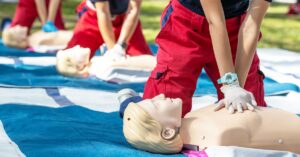
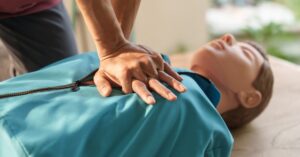
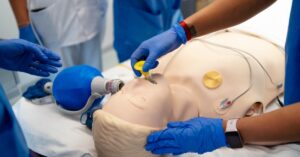
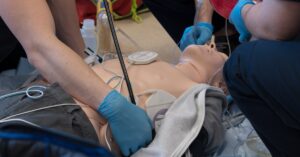
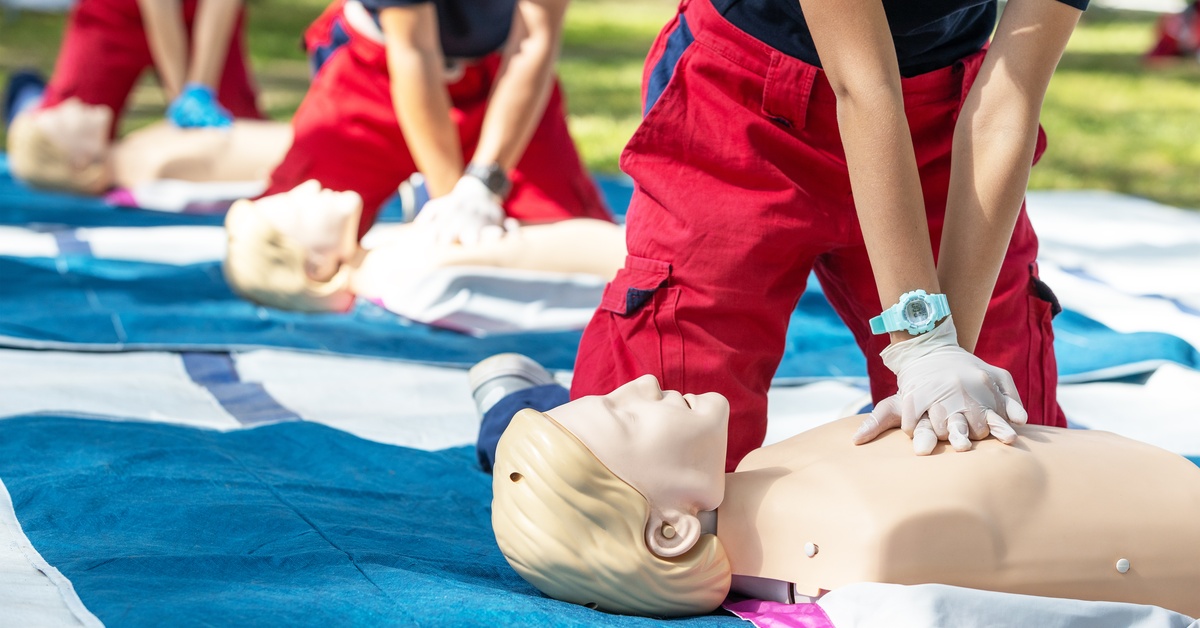
Every course blends instructional learning with hands-on skills practice. Instructors walk through current American Heart Association certifications and guidelines, then students rotate through skill stations to practice chest compressions, airway management, and defibrillator use on mannequins.
This structure keeps the pace brisk and the learning practical. You won’t sit through hours of slides with no chance to apply what you learn.
Written and skills exams close out each session. Students must demonstrate competency in both areas to earn their certification. Instructors will build in enough time for retakes when needed.
Factors That Can Extend Your Timeline
A few circumstances can add time to your certification path:
- Prerequisite courses for advanced certifications like ACLS and PALS.
- Large class sizes that require extra time at skills stations.
- Scheduling conflicts that push you toward a different session.
CPR123 offers multiple class times across Manhattan, Brooklyn, Queens, Mineola, Huntington, and San Antonio locations. Finding a session that fits your schedule rarely poses a problem. Evening and weekend options exist specifically for working professionals who can’t step away during standard business hours.
Why Fast Certification Matters for Your Career
Hospitals and clinics need staff who hold updated credentials before they start their shifts. Delayed certification can hold up onboarding, delay a promotion, or keep you from taking a new job. Finding courses with efficient scheduling and a streamlined class structure helps you get certified without derailing your work commitments.
Renewal courses are also important to discuss. Because they run shorter than initial certification, you can maintain your credentials with minimal disruption to your patient care duties. Many providers appreciate the flexibility of renewal options, which are designed to fit into the busiest schedules.
Get Certified and Get Back to Patient Care
So, how long does CPR certification take to complete? For most healthcare providers, the answer varies, but many people can receive their certification in one class day, sometimes split into a morning or evening session.
CPR123 designs its courses to respect your time while delivering the thorough training your patients deserve. Book your session today and keep your skills sharp, your credentials current, and your patients safer.