In the face of a sudden medical emergency, a bystander’s actions can make a profound difference. Cardiac arrest can happen to anyone, at any time, often without previous warning signs. The period between the event and the arrival of professional medical help is a delicate window.
An immediate response from a person nearby can significantly alter the outcome for the victim. This knowledge transforms an ordinary person into a potential lifesaver, ready to act with purpose.
CPR training empowers bystanders in crisis situations with skills and confidence, reducing hesitation in high-stress scenarios. This knowledge can foster a safer community for everyone. It demonstrates the real power held in the hands of a trained and prepared individual.
The Power of Immediate Action
An immediate response to cardiac arrest can double or even triple a person’s survival chances. Quick chest compressions maintain vital blood flow to the brain and other essential organs. This simple action serves as a bridge until advanced medical care becomes available.
Without this intervention, the likelihood of a positive result diminishes with each passing minute. Bystanders with CPR knowledge can step in without delay. Their prompt efforts create a foundation for the professional medical team to build upon.
Building Confidence in Emergencies
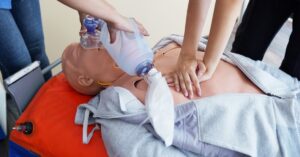
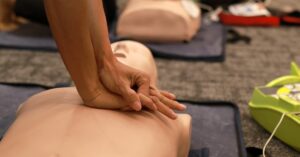
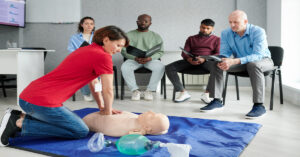
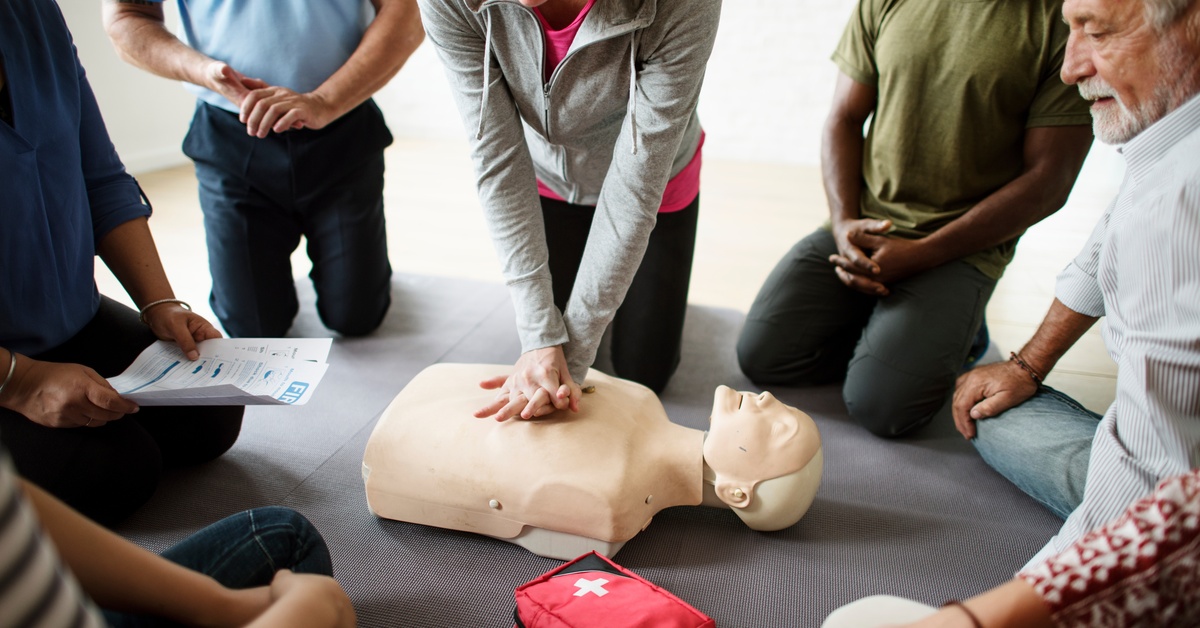
CPR education demystifies the steps needed to respond during a cardiac arrest. Trainees practice the correct hand placement, compression depth, and pace in a controlled environment. This hands-on experience replaces fear of the unknown with a clear, practiced set of actions.
This preparation helps a person remain calm and focused in a real emergency. They can recall their training and apply the techniques effectively without panic or hesitation. Confidence born from practice empowers people to take control of a chaotic situation.
Understanding the Chain of Survival
The concept of the Chain of Survival outlines a sequence of essential actions for success. It starts with early recognition of the emergency and a prompt call for help. Next, early CPR and rapid defibrillation follow to restore a normal heart rhythm.
Advanced life support and post-cardiac arrest care complete the chain of survival. A trained person understands their role within this sequence of events. They appreciate how their actions connect to the overall effort to save a life.
Recognizing a Cardiac Emergency
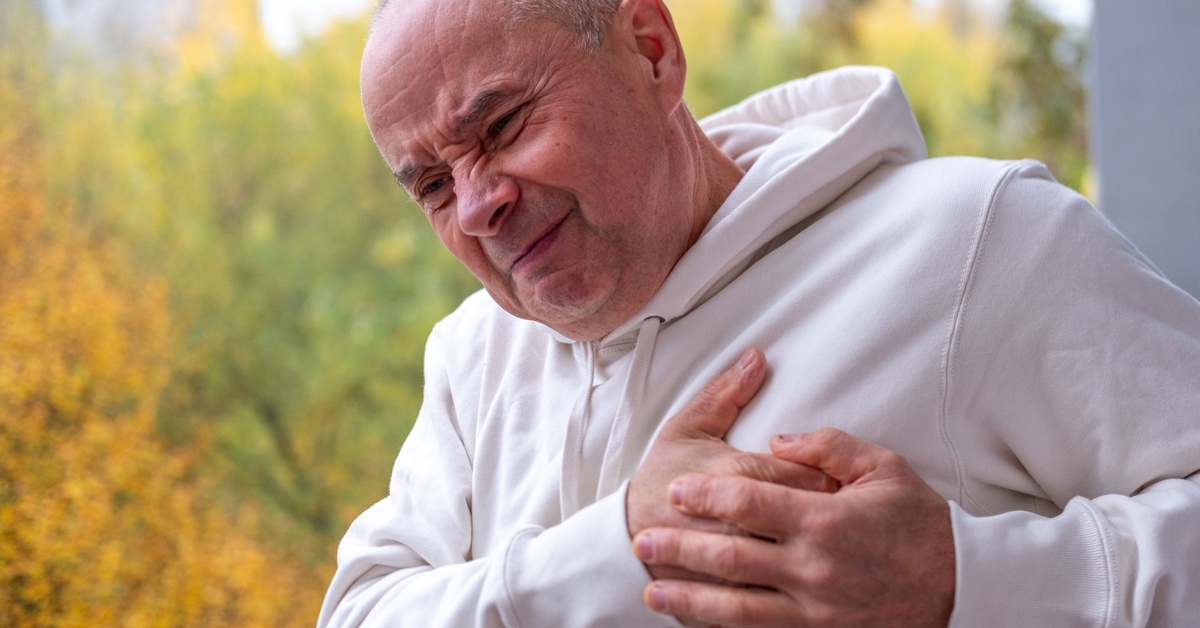
A key component of CPR education is learning to identify the signs of cardiac arrest. Individuals learn to systematically check for responsiveness and normal breathing. This skill allows for a quick and accurate assessment of the situation.
This rapid evaluation prevents dangerous delays in starting life-saving measures for the person. A professional AHA Heartsaver certification provides people with the necessary information to recognize these signs. They learn to differentiate cardiac arrest from other medical issues that require different responses.
Overcoming the Fear of Harming
A common fear among untrained individuals is the possibility of causing additional harm. CPR training empowers bystanders to react in a critical situation with clear instructions and anatomical explanations. People learn that the risk from inaction far outweighs the risk of injury.
Instructors emphasize that broken ribs can heal, but a life loss is permanent. This perspective shifts the bystander’s focus from potential harm to the absolute need for action. It grants them the moral and practical permission to intervene decisively.
Enhancing Community Safety
Every person who obtains CPR certification adds a layer of protection to their community. They become a resource for their families, coworkers, and neighbors in an emergency. This widespread knowledge creates a network of potential first responders in public spaces.
Schools, offices, and public venues with trained staff become safer environments for everyone. The presence of skilled individuals means that help is more likely to be available. A community with many trained responders values and protects life.
The Importance of AED Use
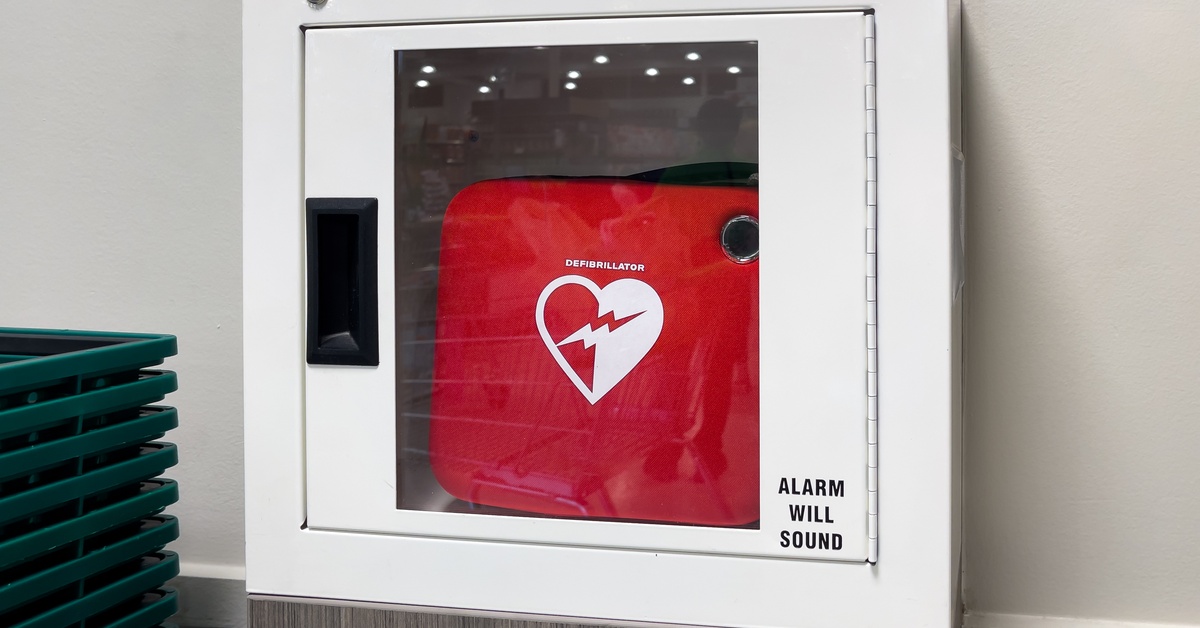
Automated External Defibrillators (AEDs) play a critical role in saving lives during cardiac emergencies. These points explain how everyone could use them in critical situations:
- AEDs are user-friendly, ensuring that anyone, regardless of training level, can operate them effectively in emergencies. Clear voice prompts guide users through each step of the process.
- During cardiac arrest, time is critical. Immediate AED use alongside CPR can significantly increase the chances of survival, restoring the heart’s normal rhythm quickly.
- CPR courses often include detailed training on AED operation. Learning how to apply the pads and follow the device’s instructions instills confidence, helping individuals act decisively in high-pressure situations.
- Modern AEDs have advanced technology that ensures shocks are only delivered when necessary, eliminating the risk of inappropriate use.
- Widespread availability of AEDs in public spaces provides an essential safety net, ensuring help is close by in various community settings such as schools, offices, and recreational areas.
Assisting Vulnerable Populations
Certain groups, such as older adults or those with known heart conditions, face higher risks. Family members and caregivers with CPR training provide an essential safeguard for these individuals. They can provide an immediate, skilled response in the event of an emergency at home.
This capability offers immense peace of mind to the caregiver and the person at risk. It transforms a potentially helpless situation into one where positive action is possible. Preparedness within the home is a powerful form of protection for loved ones.
Reducing Hesitation
In a group, people sometimes hesitate to act; each person assumes that someone else will intervene. CPR training equips people with the skills and confidence to overcome this social phenomenon. A trained individual feels a sense of responsibility and capability to take charge.
They know the correct steps to follow and can direct others to assist. This leadership can turn a chaotic scene into an organized and effective response. One person’s decisive action can mobilize others to call for help or find an AED.
Promoting a Proactive Health Culture
CPR education fosters a broader awareness of cardiovascular health and emergency preparedness. It encourages conversations about risk factors, lifestyle choices, and preventive care. This dialogue can lead to healthier habits within families and communities.
When people learn CPR, they become advocates for public access to AEDs and training. They help build a culture that values life and promotes proactive health measures. This shift in mindset creates a healthier and more resilient society for all.
The ability to perform CPR empowers a bystander to transform a moment of crisis. This training provides the skills, confidence, and knowledge needed to act decisively. It turns a passive observer into an active participant in the Chain of Survival.
The widespread adoption of CPR education is a fundamental component of public health. It equips everyday people to become lifesavers in their communities, homes, and workplaces. The power to save a life is a skill worth the time to learn.